All the Yesterdays

There are immediate yesterdays and distant yesterdays.

I’ve been immersed in the distant yesterdays of the 1700s. Maria Theresa succeeded King Charles, her father, when he died in 1740 and became queen of  Hungary and Bohemia and the Archduchess of Austria at 23 years old. Fredrick the Great, ruler of Prussia, was her fierce adversary.
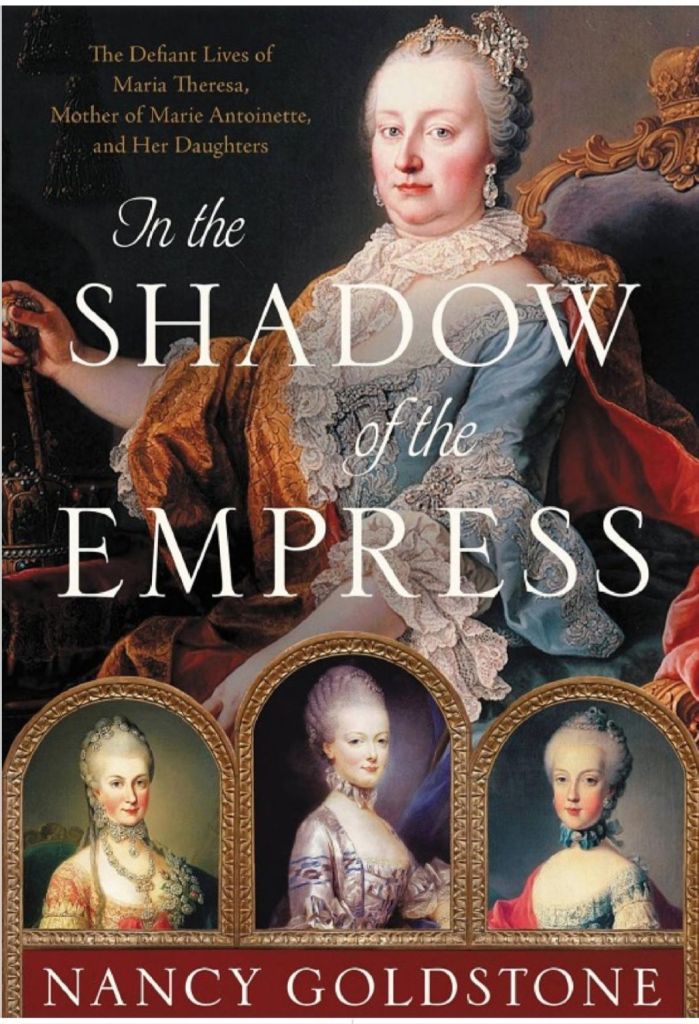
I’m riveted to Nancy Goldstone’s book, In the Shadow of the Empress. It has taught me more about the players in the history of that period than any schoolroom class ever did.

The story causes me to reflect back on who I was at 23 years old. It’s an embarrassing journey. At that age, I was no more capable of ruling a vast kingdom than I was of making good decisions for my own life.

The painful years of early adulthood bled over into my 30s and 40s until I finally refused to do it that way anymore. At 42, I took control, sent myself back to college, and finished a Bachelor-of-Science degree.

That was a major turning point. I gained confidence, self-respect, and a path to financial independence.

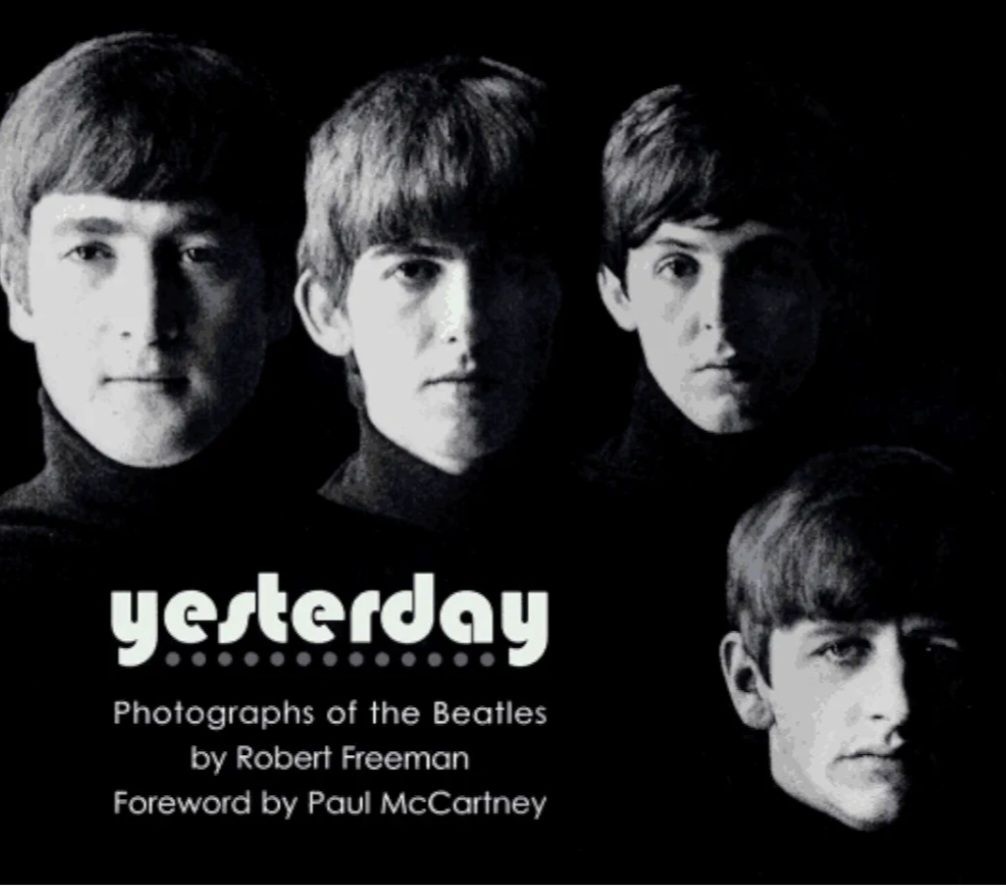
In Paul McCartney’s hit song, Yesterday, he acknowledges that his troubles seemed so far away. In the second verse, he admits that yesterday came suddenly, and in the third, he longs for yesterday. The song culminates as he needs a place to hide away. That place, of course, is yesterday. There was a soul stuck in the past.
It’s easy, as I age, to lose myself in remembering. I mean, after 74 years, there’s a lot of water under the bridge. Oceans, in fact. There was much turbulence, and at times, I nearly drowned. But I recall best the stretches of fair winds and blue skies. Joyous days. Epic adventures. Love and belonging.

The challenge now is to keep the story moving forward, to continue to dream and believe those dreams into being. The vision has to be big enough and juicy enough to excite me, like building my house did, because, frankly, there’s not enough energy for smallness.

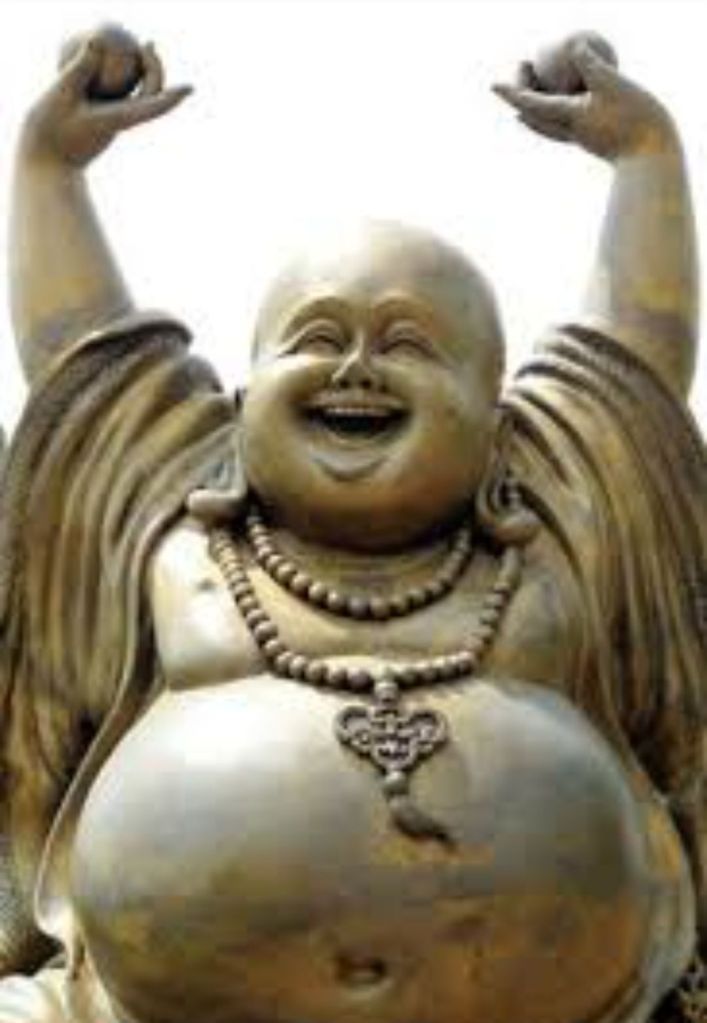
Without a dream, I’m caught in saṃsāra, the five realms of hell the soul travels through after death. I could be a happy Buddhist if it weren’t for the final scenario of that belief system!
So…
It’s time for a new plan, a project. I have no clarity as to what that looks like, but I’m leaning toward adventure. However, I do know with certainty that I’m nowhere near ready to dwell in the past, no matter how glorious. Yesterdays belong to yesterday.

She Cans While I Contemplate The Third Noble Truth

My sister and I began emailing every day at the beginning of lockdown. That’s approximately 344 emails to date and we haven’t let up.

I’m not talking a sentence or two. I’m talking paragraphs – five or ten or more – and photos. Seriously.

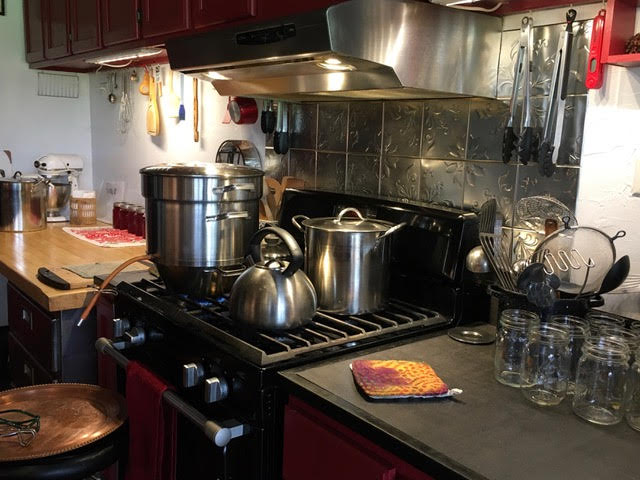
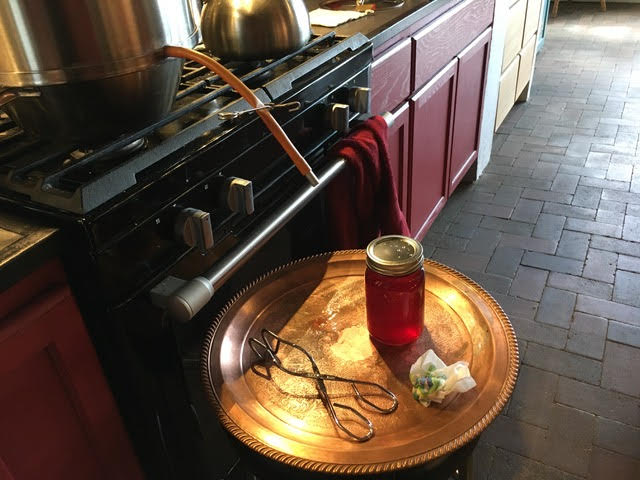
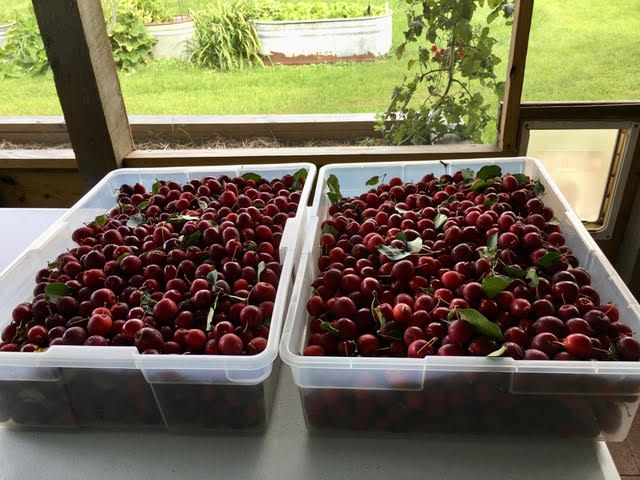
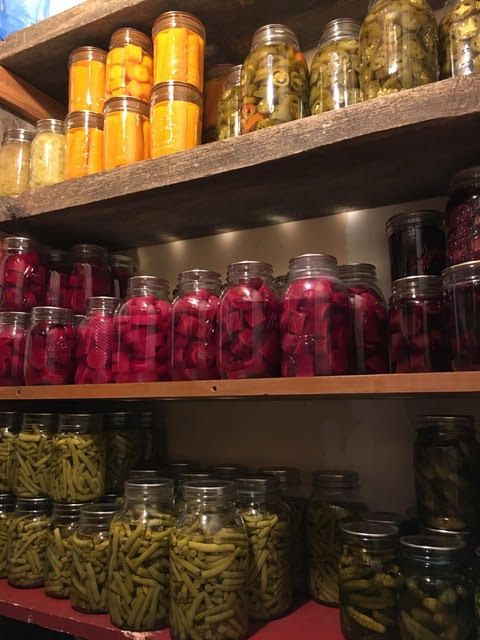
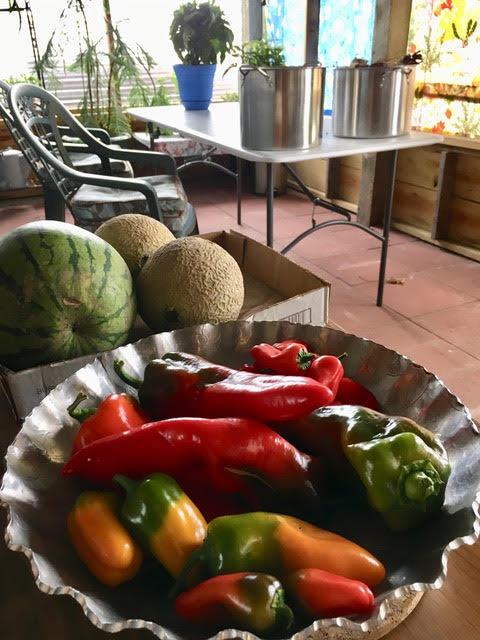
Our topics run the gamut. Canning – she has a prolific garden and makes it look easy…

We discuss politics – how can you not. And Covid – again, how can you not. But one of the things I most appreciate is her willingness to ‘go there’ with me, and that could be anywhere from musing on the existence of spirit guides to the likelihood of being rescued from a dying earth by aliens.

Yesterday, however, my sister who never complains almost complained. I’d sent her an overview of a project I’m working on and she wrote back: Sherry, I’ve had more time to look at your outline but it’s vague.

My feathers ruffled momentarily, then I realized she probably thought that’s all I had. So I answered…

“Regarding the outline, think of it like this. I have piles and piles of garments in assorted colors for different seasons but I have no hangers so the clothes are heaped on the floor. (The clothes are the content.) Hangers just got delivered.  Now all I have to do is put the clothes on hangers removing the ones I no longer want, sort the colors by season (which are the subject titles and subtitles) and hang them in order in the closet (which is the outline).

“That may be a disorderly way of doing it but that’s my MO.

“Some people start with the outline whether it’s writing a book, giving a speech, planning a course. I don’t. So often inspiration comes in the form of one sentence that intrigues me. So I start the story, or in this case material for a workshop, without much of a notion where it’s going or how it will get there. 

“I don’t like to be confined by convention or an outline that presupposes an outcome. I want my thoughts to have free reign, to respond to prompts from who-knows-where, to sprout and grow in whatever direction they will until I latch onto the idea that makes me passionate about the book or the speech or the workshop. That way I don’t get attached to a predetermined form and try to force my story into it.”

When I wrote that it brought to mind my morning meditation.

I’m not Buddhist but I find the practice of non-attachment, The Third Noble Truth in Buddhist teachings, an interesting one to grapple with. Buddhism suggests that attachment is the root of human suffering. And isn’t it true?! When you want so badly to see a certain outcome from your efforts that you try to force your life into that expectation and then it doesn’t turn out that way, there’s such a feeling of futility, remorse, failure, disappointment, in a word – suffering.

But if we approach everything with curiosity and non-attachment we leave our hearts and minds wide open to be delighted. We then live in alignment with our truest, best self, a self that embraces growth and change and allows us to fluidly adjust to new situations.

I can’t tell you how exciting it was to have made that connection.

The non-attachment principle has bothered me for some time – just couldn’t wrap my head around the feeling of chilly disengagement it brought up in me. Now I see it from a completely different perspective, one that liberates rather than withholds. And it never would have happened if I hadn’t gotten my feathers ruffled and felt the need to explain my ‘vague outline’ to my sister who never complains.

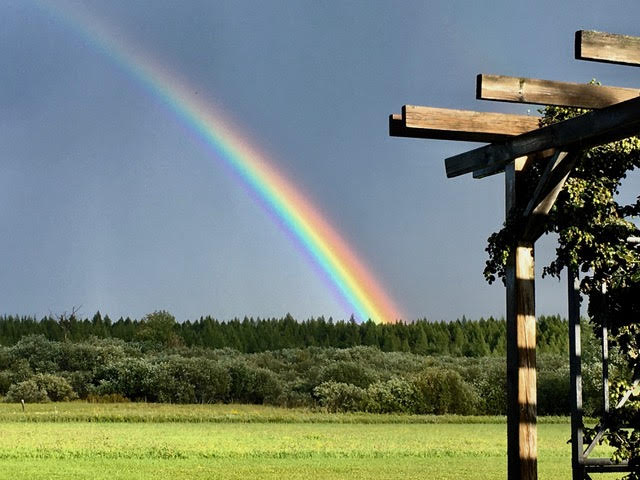
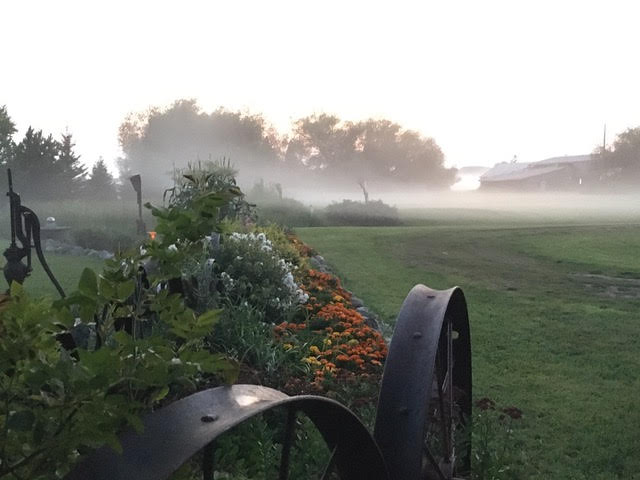
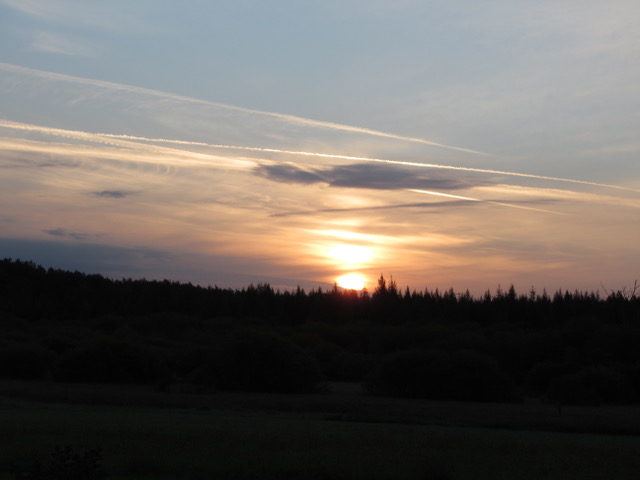
All photos taken at The Farm by Gwen Hall.